YooshMD Blog
Constipation on GLP-1 medications: Why it happens and how to manage it effectively
Learn why GLP-1 medications cause constipation and get practical strategies to manage this common side effect while staying on track with your weight loss.
Constipation on GLP-1 medications is one of the most frequently reported side effects for patients starting semaglutide or tirzepatide — and it catches many people off guard. The good news: understanding exactly why it happens makes this side effect predictable, manageable, and rarely a reason to pause your progress.
How GLP-1 medications slow your digestive system
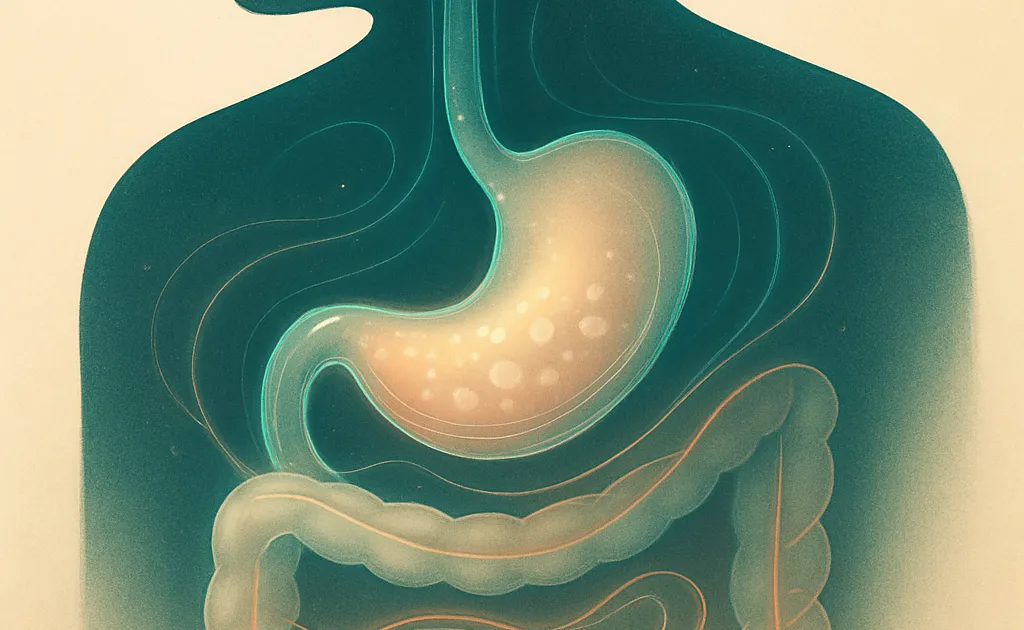
GLP-1 receptor agonists work by slowing gastric emptying — the rate at which food moves from the stomach into the small intestine. This mechanism helps you feel full longer, eat less, and lose weight effectively.
Constipation on GLP-1 medications occurs because this same slowdown affects the entire digestive tract. The colon receives food more slowly, and stool moves through the intestines at a reduced pace. This isn’t a sign that treatment isn’t working — it’s a predictable physiological response.
Why constipation is most common in the first weeks of treatment
Constipation peaks during dose escalation or in the first 4–8 weeks of treatment. As the body adjusts to the medication, digestive rhythm adapts, and many patients see improvement on its own over time. In my practice, I’ve found that GLP-1 side effects are more varied than most patients expect going in, and patients who are warned accurately tend to tolerate them significantly better than those who are caught off guard.
That said, waiting passively isn’t necessary. Proactive management prevents discomfort and supports long-term adherence.
Practical strategies to manage constipation on GLP-1 medications
Hydration is foundational
Dehydration accelerates constipation. Aim for at least 2–3 liters of water daily — more if you exercise or live in a warm climate.
- Drink water consistently throughout the day, not just at meals
- Herbal teas and broths count toward fluid intake
- Monitor urine color; pale yellow indicates adequate hydration
Increase fiber gradually
Fiber absorbs water and increases stool bulk. Many patients assume they need less fiber because appetite is reduced on GLP-1 medications — the opposite is true. Beyond regularity, dietary fiber is fermented by gut bacteria into short-chain fatty acids — compounds that influence satiety signaling, gut hormone secretion, and immune function, and there’s even emerging evidence that microbiome-derived metabolites interact with the body’s own GLP-1 pathways.
Increase fiber slowly to avoid bloating:
- Add 5–10 grams per week over several weeks
- Soluble fiber (oats, beans, apples) is gentler than insoluble fiber initially
- Psyllium husk supplements can bridge gaps when whole foods aren’t practical
- Always pair fiber increases with more water — fiber without hydration worsens constipation
Move your body regularly
Physical activity stimulates intestinal contractions and improves overall motility.
- Walking 20–30 minutes most days is highly effective and accessible
- Even light movement after meals makes a difference
- Patients who exercise regularly report fewer digestive complaints overall
Time meals strategically
Smaller, more frequent meals reduce digestive load. A warm beverage in the morning naturally stimulates bowel movements for many patients. I also recommend having fiber-rich foods, electrolytes, and antacids on hand before the first injection — preparation meaningfully reduces early side effect burden overall.
Consider over-the-counter options
Several options are safe and effective during GLP-1 treatment — always discuss with your provider first:
- Stool softeners (docusate): gentle and non-habit-forming
- Osmotic laxatives (polyethylene glycol, magnesium citrate): draw water into stool and work gradually
- Fiber supplements (psyllium, methylcellulose): increase bulk
- Avoid stimulant laxatives long-term, as the colon can become dependent on them
When constipation on GLP-1 medications requires medical attention
Contact your provider if:
- Constipation persists despite 2–3 weeks of the strategies above
- Severe abdominal pain, bloating, or nausea develops
- There are signs of bowel obstruction (inability to pass gas, vomiting)
- Symptoms are significantly affecting your quality of life
These situations are uncommon, but addressing them promptly matters.
When a medication adjustment makes sense
If constipation remains problematic after lifestyle changes, your provider may extend the dose escalation timeline — giving your digestive system more time to adapt without sacrificing weight loss progress.
Foods that naturally support regularity
Even with reduced appetite, prioritizing these options makes a meaningful difference:
- Ground flaxseed or chia seeds (easy to add to yogurt or soups)
- Cooked vegetables (easier to digest than large volumes of raw)
- Prunes or dried figs (small portions, high fiber)
- Whole grains when tolerated
- Legumes, if they don’t cause excessive bloating
What to expect: the typical timeline for improvement
Most patients notice gradual improvement as:
- The body adapts to the medication (4–12 weeks)
- Hydration and fiber strategies take effect (1–2 weeks)
- Activity levels increase alongside improved energy
- Dose stabilizes and escalation ends
Constipation on GLP-1 medications is manageable, predictable, and rarely a reason to discontinue treatment. With a structured approach, you stay comfortable and keep moving toward your goals.
Frequently asked questions
Q: Will constipation on GLP-1 medications go away on its own?
A: Often yes — the body typically adapts over weeks to months. Proactive strategies like hydration, fiber, and movement accelerate that improvement and prevent unnecessary discomfort in the meantime.
Q: Can I use laxatives while on GLP-1 medications?
A: Yes. Stool softeners and osmotic laxatives are safe and effective options. Use stimulant laxatives sparingly, as regular use can reduce colon responsiveness. Always confirm the best choice with your provider.
Q: Does constipation mean the medication isn’t working for weight loss?
A: No. Constipation is a direct result of the same mechanism — slowed gastric emptying — that makes GLP-1 medications effective. It’s a separate issue from efficacy and can be managed independently.
Q: Should I reduce my GLP-1 dose if constipation is severe?
A: Not necessarily as a first step. Discuss the issue with your provider before making any changes. Lifestyle modifications resolve most cases; dose adjustment is an option when conservative approaches aren’t enough.
If you’re managing constipation on GLP-1 medications and want personalized guidance, YooshMD’s telehealth weight loss program — serving patients throughout California and Nevada — makes it easy to connect with Dr. Roohani and his team from home. We’ll help you stay comfortable, stay on track, and get the most out of your treatment.
Need physician-led medical weight loss care?
Visit YooshMD to learn about medications, treatment plans, and the practice's approach to long-term maintenance.
Medical disclaimer: This article is for informational purposes only and does not constitute medical advice, diagnosis, or treatment. Treatment decisions should be made with a licensed healthcare professional.