YooshMD Blog
GLP-1 medications and nutrient absorption: what you need to know
Learn how GLP-1 medications affect nutrient absorption and which supplements matter most for your health.
GLP-1 medications and nutrient absorption are increasingly important considerations for patients using semaglutide, tirzepatide, or similar therapies as part of a medical weight loss program. These medications slow gastric emptying—the rate at which food moves from your stomach into the small intestine—which can influence how your body absorbs key vitamins and minerals. Understanding these effects helps you stay healthy while getting the full benefit of GLP-1 treatment.
How GLP-1 medications affect digestion and nutrient uptake
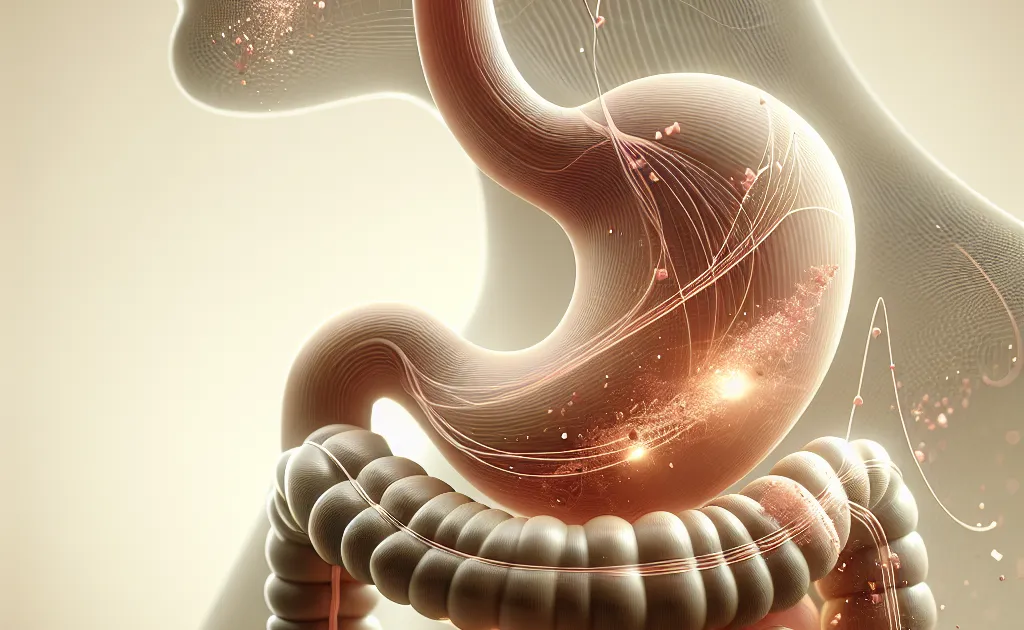
GLP-1 receptor agonists intentionally slow stomach emptying to reduce appetite and promote satiety. The trade-off is that food spends more time in the stomach before reaching the small intestine, where most nutrient absorption takes place.
This delayed gastric emptying can influence:
- How quickly nutrients reach absorption sites in the small intestine
- The efficiency of vitamin and mineral uptake during digestion
- The overall bioavailability of certain fat-soluble nutrients
- Stomach acid production and its interaction with food
These changes are generally modest, but they deserve attention throughout treatment—especially with long-term use.
Which nutrients to watch on GLP-1 therapy
Research and clinical experience point to several nutrients that warrant closer monitoring during GLP-1 treatment.
B vitamins (especially B12 and folate) The stomach produces intrinsic factor, a protein essential for absorbing vitamin B12. Slower gastric emptying and reduced stomach acid can decrease B12 absorption over time. Folate may also be affected, particularly when stomach acid is low.
Iron Iron absorption depends on stomach acid levels and transit time through the digestive tract. Patients with naturally lower stomach acid—or those taking acid-reducing medications—face the highest risk of reduced iron uptake.
Calcium Adequate stomach acid is required for calcium absorption. Long-term GLP-1 users should monitor calcium intake and consider supplementation when dietary sources fall short.
Fat-soluble vitamins (A, D, E, K) These vitamins require dietary fat to be absorbed. Patients eating smaller portions may reduce total fat intake enough to affect bioavailability of these nutrients.
Other minerals Magnesium, zinc, and similar minerals may show modestly reduced absorption, though clinical significance varies from patient to patient.
Practical strategies for maintaining nutrient status on GLP-1 medications
The good news: patients using GLP-1 medications don’t need to choose between treatment and good nutrition—they simply need to be intentional about both.
Eat nutrient-dense foods Prioritize high-quality protein, vegetables, whole grains, and healthy fats within your reduced portion sizes. Every bite should carry meaningful nutritional value.
Consider targeted supplementation A standard adult multivitamin is reasonable for most patients. Depending on baseline labs and dietary intake, your physician may also recommend individual B12, iron, or vitamin D supplements.
Time supplements thoughtfully Taking certain supplements at least two hours apart from GLP-1 medications may improve absorption—always confirm timing with your treating physician.
Monitor with regular labs Baseline bloodwork before starting a medical weight loss program, followed by periodic follow-up testing, helps catch deficiencies early. Key markers include B12, folate, iron studies, and vitamin D.
Stay hydrated and eat slowly Adequate fluid intake supports digestion and nutrient transport. Eating slowly allows better absorption even when gastric emptying is delayed.
What the research actually shows about GLP-1 medications and nutrient deficiency
Most studies indicate that nutrient deficiency from GLP-1 medications alone is uncommon when patients eat balanced meals and maintain appropriate nutrient intake. Risk is higher in patients with:
- Preexisting nutrient deficiencies
- Severely restricted food intake
- Concurrent use of other medications that affect absorption
- Underlying digestive disorders
These patients benefit most from more frequent monitoring and targeted supplementation.
Working with your healthcare team on a medical weight loss program
During a telehealth consultation or ongoing care with YooshMD, patients should:
- Report new symptoms such as fatigue, weakness, or neurological changes
- Discuss all current supplements and medications with their physician
- Share any difficulty meeting nutritional goals
- Complete periodic lab testing to assess nutrient status
Dr. Darius Roohani, MD, and the YooshMD team incorporate nutritional monitoring into every patient’s care plan. Staying ahead of potential gaps is part of what makes treatment both safe and sustainable.
The bottom line
GLP-1 medications can modestly affect nutrient absorption, but this is manageable—not a reason to avoid treatment. Focusing on food quality, closing potential nutrient gaps through supplementation when indicated, and maintaining an ongoing relationship with your physician keeps you on track for lasting results.
Frequently asked questions
Can I still get enough nutrients while taking GLP-1 medications? Yes. Most patients maintain adequate nutrient levels by eating nutrient-dense foods, staying hydrated, and monitoring labs regularly with their physician.
Do I need to take supplements while using GLP-1 medications? Not necessarily, but a baseline multivitamin is reasonable for most patients. Your physician may recommend specific supplements based on your labs and dietary intake.
How often should I have blood work done while on GLP-1 medications? Baseline labs before starting treatment, then follow-up every 6–12 months, is standard. Your physician may suggest more frequent testing based on individual risk factors.
Are nutrient absorption changes permanent after stopping GLP-1 medications? No. Nutrient absorption returns to normal once the medication is discontinued and the digestive system resumes its baseline function.
If you’re considering GLP-1 therapy or want expert guidance on managing your health throughout treatment, YooshMD’s telehealth medical weight loss program serves patients across California and Nevada. Schedule a consultation with Dr. Roohani and his team to get a personalized plan that keeps your nutrition—and your results—on track.
Need physician-led medical weight loss care?
Visit YooshMD to learn about medications, treatment plans, and the practice's approach to long-term maintenance.
Medical disclaimer: This article is for informational purposes only and does not constitute medical advice, diagnosis, or treatment. Treatment decisions should be made with a licensed healthcare professional.