YooshMD Blog
GLP-1 side effects: What to expect and how to manage them
Learn what GLP-1 side effects are common, when they typically improve, and practical strategies to manage them during your weight loss journey.
GLP-1 medications have transformed medical weight loss for thousands of patients across the country — but they do come with an adjustment period. Understanding common GLP-1 side effects before you start treatment helps you navigate that period with confidence rather than concern. The good news: most side effects are mild, temporary, and highly manageable with the right strategies in place.
Common GLP-1 side effects to know about
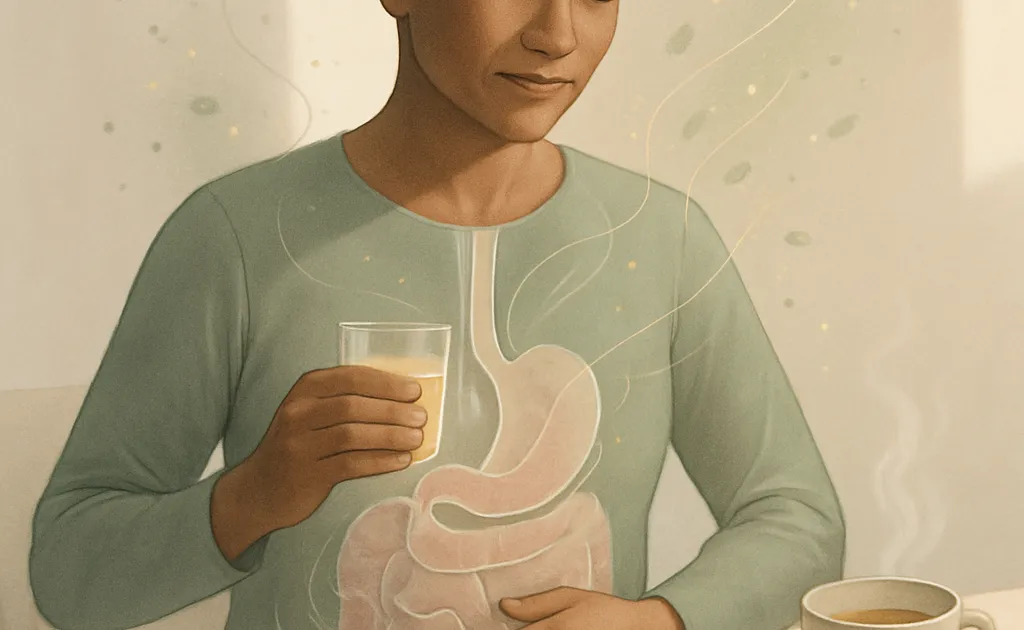
The most frequently reported GLP-1 side effects involve the gastrointestinal system. Patients commonly experience:
- Nausea
- Vomiting
- Diarrhea or constipation
- Abdominal discomfort or cramping
- Reduced appetite (which is therapeutic, not harmful)
- Mild fatigue or headache
Less common effects include dizziness, taste changes, and heartburn. In my practice, I’ve found that GLP-1 side effects are more varied than most patients expect going in — beyond the well-known GI symptoms, patients report scalp sensitivity, nerve pain, taste disturbances, and insomnia, often in predictable patterns tied to their injection schedule, and the nausea itself is frequently misunderstood: it’s not the violent, retching kind associated with illness, but quieter — food goes down, and the body calmly signals it’s done. Most patients experience mild to moderate symptoms that improve significantly within the first few weeks of treatment.
How long do GLP-1 side effects last?
Understanding the typical timeline helps patients distinguish normal adaptation from symptoms that need attention.
Week 1–2: GLP-1 side effects are often most noticeable here. Nausea and mild gastrointestinal discomfort are typical as the body adjusts to the medication.
Week 3–6: The majority of side effects begin resolving. Most patients report substantial improvement by week four.
Week 6+: Symptoms typically stabilize or disappear entirely, while the medication’s appetite-regulating benefits continue.
Individual timelines vary. Some patients tolerate GLP-1 medications well from day one, while others need additional time and support — both are normal.
Practical strategies to manage GLP-1 side effects
The adjustment period is real, but it is manageable. These approaches address the most common causes of discomfort.
Dietary adjustments
- Eat smaller, more frequent meals rather than three large ones
- Choose bland, protein-rich foods (chicken, eggs, Greek yogurt, fish)
- Avoid high-fat and heavily spiced foods temporarily
- Stay hydrated with water and electrolyte drinks
- Sip beverages slowly rather than drinking quickly
- Eat slowly and chew thoroughly
Medication timing
- Taking your dose on an evening when lighter meals are planned may reduce nausea
- Consistent timing helps the body adapt more predictably
- Discuss timing options with your YooshMD physician during consultations
Activity and lifestyle
- Light walking aids digestion without overwhelming the system
- Adequate sleep supports adaptation
- Stress management helps, as stress can amplify nausea
- Avoid lying down immediately after eating
Medication management
- Dose titration: Starting at the lowest effective dose and increasing gradually — the “start low, go slow” approach — minimizes side effects while maintaining effectiveness, and is standard practice at YooshMD
- Over-the-counter support: Ginger supplements, peppermint tea, or motion sickness bands may provide relief (discuss with your physician first); what I also tell patients is that having protein-rich foods, fiber, electrolytes, and antacids on hand before the first injection meaningfully reduces early side effect burden
- Prescription antiemetics: For persistent nausea, anti-nausea medications are safe alongside GLP-1 treatment
When to contact your physician
Most GLP-1 side effects are uncomfortable but not dangerous. Contact your YooshMD physician promptly if you experience:
- Severe, persistent vomiting that prevents eating or drinking
- Signs of dehydration (extreme thirst, dark urine, dizziness upon standing)
- Severe abdominal pain
- Difficulty swallowing
- Rapid heart rate or chest pain
- Signs of pancreatitis (severe upper abdominal pain, back pain, or fever)
These symptoms are rare but warrant immediate medical evaluation.
Why the adjustment period is worth it
The temporary discomfort of GLP-1 side effects is worth weighing against the substantial, lasting health benefits. Patients typically achieve:
- Significant, sustainable weight loss
- Improved blood sugar control
- Reduced cardiovascular risk
- Better metabolic health markers
- Improved overall quality of life
For most patients, a 2–6 week adjustment period is a small investment relative to months and years of improved health outcomes.
Support throughout your treatment at YooshMD
No one should navigate GLP-1 side effects alone. YooshMD’s telehealth model gives patients in California and Nevada direct access to Dr. Darius Roohani and the clinical team throughout treatment. Regular check-ins allow for early identification of side effects, dose adjustments tailored to your tolerance, dietary and lifestyle counseling, and ongoing monitoring of your progress.
If you’re ready to start your medical weight loss journey with expert support at every step, schedule a consultation with YooshMD today.
Frequently asked questions
How long do GLP-1 side effects last? Most GLP-1 side effects improve within 2–6 weeks. Some patients notice relief within days; others need the full adjustment period. Serious side effects are rare and always warrant prompt medical attention.
Will GLP-1 side effects return if my dose increases? Possibly, but typically mildly. Gradual titration means the body has already begun adapting, and most patients experience only minimal recurrence when doses increase.
Can I prevent GLP-1 side effects entirely? Complete prevention isn’t realistic for most patients, but the right strategies minimize them significantly. Starting at the lowest dose, eating small frequent meals, and staying hydrated address the most common triggers.
Is nausea from GLP-1 medication dangerous? Mild to moderate nausea is uncomfortable but not dangerous. Severe, persistent nausea that prevents eating or drinking requires medical attention, as dehydration is a genuine risk worth addressing early.
Need physician-led medical weight loss care?
Visit YooshMD to learn about medications, treatment plans, and the practice's approach to long-term maintenance.
Medical disclaimer: This article is for informational purposes only and does not constitute medical advice, diagnosis, or treatment. Treatment decisions should be made with a licensed healthcare professional.