YooshMD Blog
Hair loss on GLP-1 medications: Why it happens and what you can do about it
Learn why GLP-1 medications may cause hair loss, whether it's temporary, and evidence-based strategies to protect your hair during weight loss treatment.
Hair loss on GLP-1 medications is one of the most common concerns patients raise after starting semaglutide (Ozempic, Wegovy) or tirzepatide (Zepbound, Mounjaro). While these medications deliver meaningful weight loss results, some patients notice increased shedding or thinning within the first few months of treatment. The good news: this is almost always temporary, and there are clear, evidence-based steps you can take to protect your hair before shedding ever starts.
Why GLP-1 medications can trigger hair loss
Hair loss on GLP-1 medications is not a direct side effect of the drug itself. Instead, it’s connected to the rapid weight loss these medications produce.
Telogen effluvium: The primary mechanism
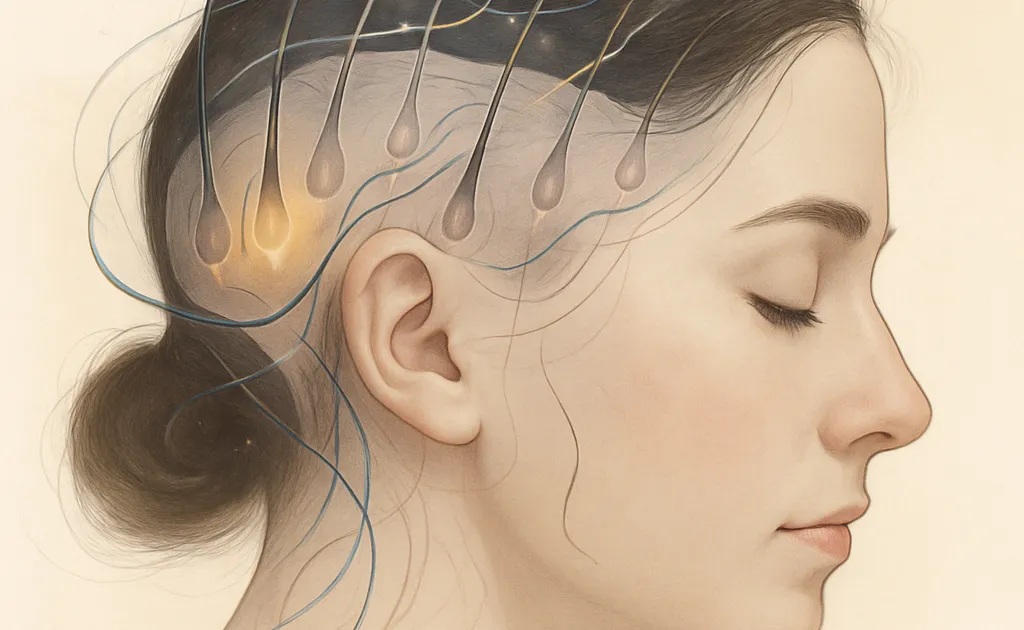
The most common form of hair loss associated with GLP-1 use is telogen effluvium (TE). This occurs when significant physical stress—like rapid weight loss—pushes hair follicles prematurely from their growth phase (anagen) into the shedding phase (telogen).
Here’s what happens:
- Hair growth depends on stable protein, micronutrient, and caloric intake
- GLP-1 medications reduce appetite, leading to rapid weight loss
- The body perceives this as metabolic stress
- Hair follicles shift into a dormant shedding phase
- Increased hair loss appears 2–3 months after significant weight loss begins
- The shedding typically lasts 3–6 months before resolving
Who is most likely to experience hair shedding on GLP-1s?
Not all patients notice hair loss on GLP-1 medications. Risk factors include:
- Rapid weight loss (more than 1–2 pounds per week)
- Pre-existing nutritional deficiencies
- Female sex (though men are not immune)
- Family history of hair loss
- Restricted calorie intake combined with medication
Evidence-based strategies to protect your hair during GLP-1 treatment
Patients who are proactive about nutrition and weight loss pace significantly reduce their risk. Here are the most effective strategies.
Optimize nutrition
Protein deficiency is a major driver of hair loss during weight loss. Hair is primarily composed of a protein called keratin.
- Aim for at least 0.8–1.0 grams of protein per pound of target body weight daily
- Include varied protein sources: lean meats, fish, eggs, dairy, legumes, and plant-based options
- Distribute protein intake across meals rather than front-loading it once daily
Prioritize key micronutrients
Specific vitamins and minerals are essential for hair growth:
- Iron: Patients with low ferritin (stored iron) experience more telogen effluvium. Check ferritin levels before starting GLP-1 therapy and supplement if needed.
- Zinc: Required for hair follicle function. Deficiency is linked to hair loss.
- Vitamin D: Low levels correlate with increased shedding. Many patients benefit from supplementation.
- B vitamins: Biotin, B12, and folate support hair growth. Consider a B-complex supplement.
- Vitamin C: Essential for collagen production and iron absorption.
A baseline micronutrient panel before starting treatment helps identify pre-existing deficiencies that can be corrected proactively. In my practice, I also recommend having protein-rich foods and fiber on hand before the first injection, since patients who are nutritionally prepared from day one tend to avoid the early deficits that make shedding worse later.
Moderate the pace of weight loss
Slower, steadier weight loss is gentler on hair. Patients should:
- Maintain a caloric deficit of 500–750 calories per day (targeting 1–1.5 pounds per week)
- Avoid severe undereating even if appetite suppression makes this easy
- Work with a healthcare provider to adjust medication dosing if weight loss feels unsustainably rapid
Use topical treatments
While no topical treatment prevents telogen effluvium directly, minoxidil (Rogaine) has evidence supporting its use during periods of increased shedding:
- Minoxidil prolongs the anagen (growth) phase of hair
- It may reduce the severity or duration of shedding
- Results are most noticeable in patients with male-pattern hair loss, but some benefit is seen in telogen effluvium
Consider biotin and collagen supplements
While research is mixed, some patients report subjective improvement with:
- Biotin supplementation (2.5 mg daily) for hair, skin, and nail health
- Marine collagen peptides to support keratin production
- These are low-risk and may provide modest benefit
Timeline: When does hair shedding on GLP-1 medications resolve?
Hair loss on GLP-1 medications typically peaks 2–4 months into treatment and resolves within 6–12 months as the body adapts to its new weight. Assuming nutrition remains adequate, the shedding hair nearly always returns as metabolic stress subsides.
When to seek a dermatology evaluation
If shedding goes beyond the typical pattern, it’s worth a specialist visit. Consult a dermatologist if:
- Hair loss is accompanied by scalp pain, redness, or visible lesions
- Shedding persists beyond 12 months
- Hair loss is localized to specific areas (suggesting alopecia areata or other conditions)
- There are signs of nutritional deficiency (fatigue, weakness, brittle nails)
The bottom line
Hair loss on GLP-1 medications is usually temporary and largely preventable with the right nutritional foundation and a measured pace of weight loss. Talk with your healthcare provider about baseline micronutrient testing, daily protein targets, and dosing strategy before shedding becomes a concern—not after.
At YooshMD, Dr. Darius Roohani and his team provide personalized GLP-1 weight loss care entirely via telehealth for patients in California and Nevada. Every treatment plan includes nutritional guidance designed to support your overall health—including your hair. If you’re ready to start or optimize your weight loss journey, schedule a consultation with YooshMD today.
Frequently asked questions
Q: Will my hair grow back after hair loss on GLP-1 medications?
A: Yes. Telogen effluvium is reversible. Once weight loss stabilizes and nutrition is adequate, hair typically regrows over 3–6 months.
Q: Should I stop my GLP-1 medication if I notice hair shedding?
A: Not necessarily. Stopping may not prevent shedding that has already begun, and it forfeits the benefits of treatment. Instead, work with your provider to optimize protein intake, correct nutritional gaps, and moderate your rate of weight loss.
Q: Does biotin really help prevent hair loss during GLP-1 treatment?
A: Evidence is limited, but biotin is safe and inexpensive. Correcting any underlying deficiency and maintaining adequate overall protein and micronutrient intake matters far more than biotin alone.
Q: How much protein should I eat while taking GLP-1 medications?
A: Aim for 0.8–1.0 grams of protein per pound of target body weight daily—for a 180-pound target, that’s 144–180 grams per day, spread across meals. Your provider can refine this based on your individual needs.
Need physician-led medical weight loss care?
Visit YooshMD to learn about medications, treatment plans, and the practice's approach to long-term maintenance.
Medical disclaimer: This article is for informational purposes only and does not constitute medical advice, diagnosis, or treatment. Treatment decisions should be made with a licensed healthcare professional.